

Patient Info
Age:
60-69
Ethnicity:
White
Height:
5’ 0” - 5’ 5”
Weight
100 - 149 lbs
Ready to see what's possible for you?
Schedule your personal consultation with Dr. Shamoun today and take the first step toward looking as vibrant as you feel.
Book An Appointment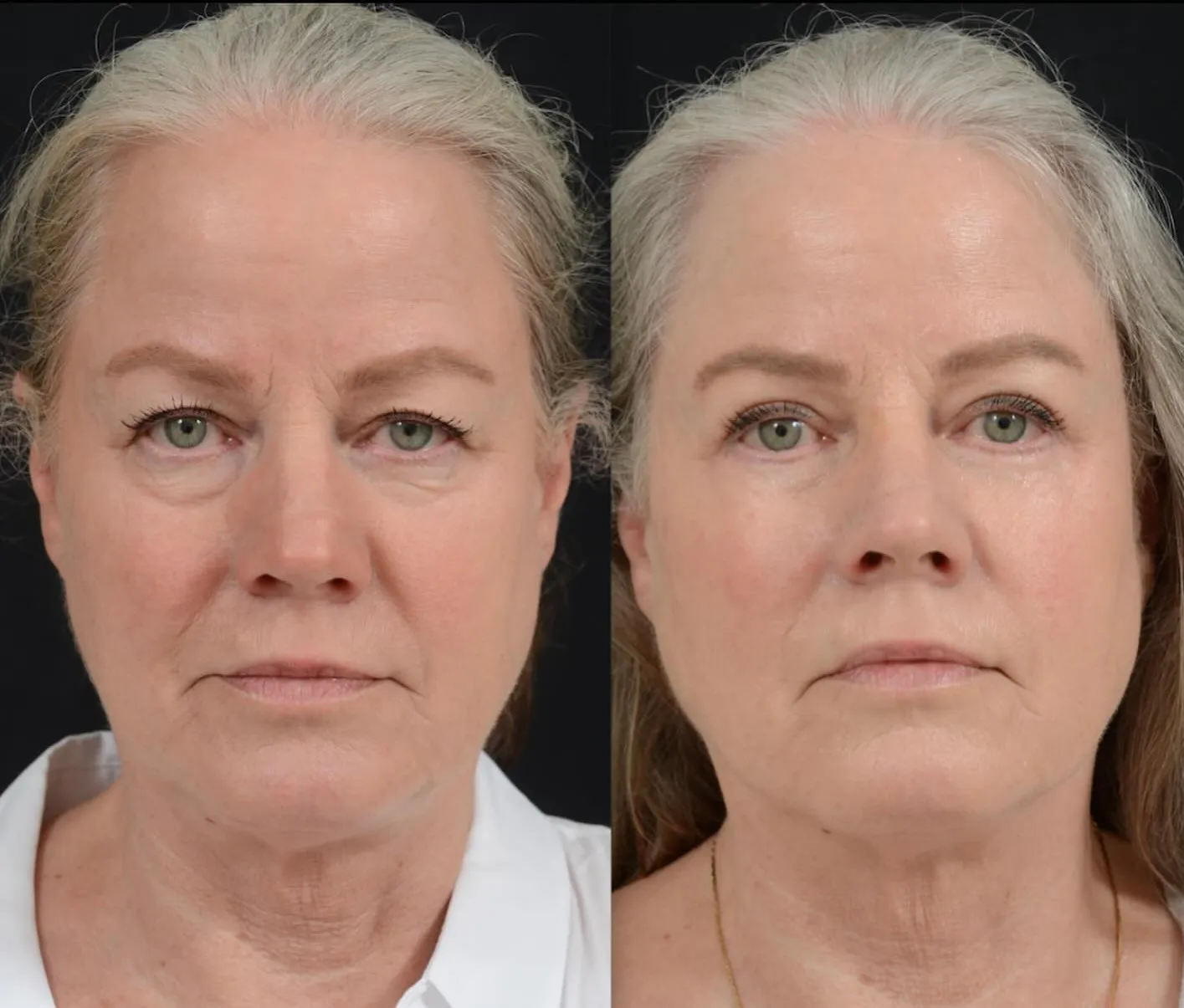
Front View
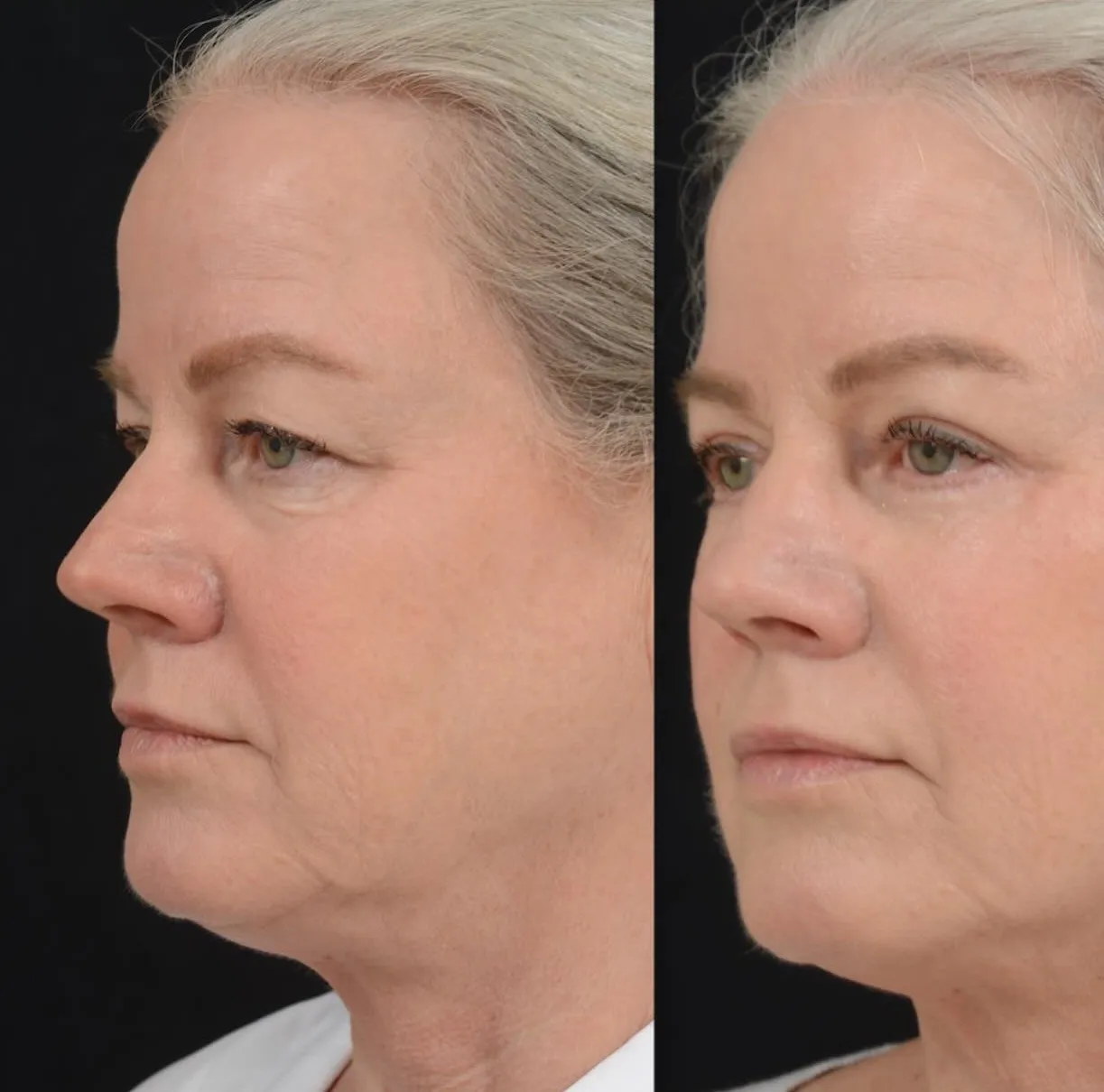
Side View
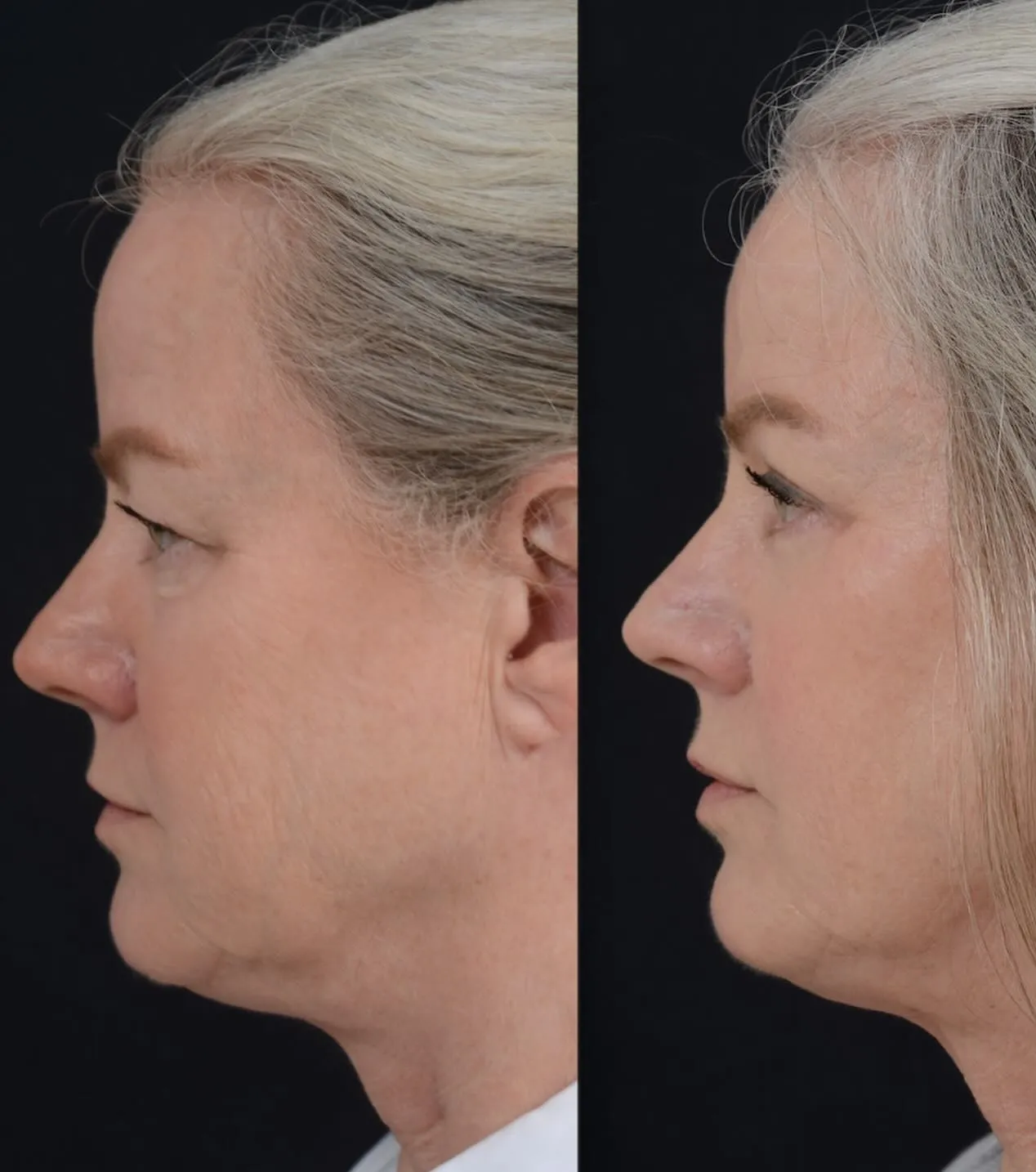
Profile View
Blepharoplasty & Midface Lift
My Approach
The eyes are often the first area to show aging — and the first area people notice. This patient’s goal was simple and very common: she didn’t want to look different, just refreshed. Instead of adding volume with fillers or removing fat aggressively, my philosophy around the eyes focuses on preservation, tightening, and repositioning. Aging around the eyelids is often the result of laxity and descent rather than true excess tissue. Her upper eyelids were treated with conservative skin excision to restore a clean, natural crease. The lower eyelids were addressed through structural support techniques including canthopexy, septal reset, suborbicular fat suspension, orbicularis muscle tightening, and precise skin trimming. Lower eyelid fat is rarely removed in my practice because hollowing and rounding of the eyes can create an aged or artificial appearance over time. Instead, restoring support and repositioning existing tissues maintains natural fullness and youthful contours. By combining eyelid surgery with midface elevation through the same approach, we improved lid–cheek support and created a smoother transition — often producing an effect similar to a mini facelift, but localized and far more natural. The result is subtle. She simply looks rested, brighter, and more youthful — never “operated on.”

Dr. John Shamoun
MD FACS
The Healing Process
Recovery after blepharoplasty with midface support is typically quicker and more comfortable than many patients expect. During the first week, swelling, mild bruising, and tightness around the eyes are normal. Cold compresses and head elevation help minimize inflammation. Most discomfort is described as soreness or heaviness rather than pain. Stitches are usually removed within 5–7 days, and many patients feel comfortable returning to social activities or work around that time. The eyes may look slightly swollen or firm for several weeks. Approximately 70–80% of swelling resolves within the first month, with continued softening and refinement over 2–3 months. Incision lines fade progressively and become barely noticeable. Because the blepharoplasty procedure relies on tightening and repositioning rather than removing or adding volume, results tend to age naturally and remain stable long term.
FAQs
Blepharoplasty is eyelid surgery that removes excess skin and restores support to the upper and/or lower eyelids. It reduces heaviness, puffiness, and sagging to create a more rested, youthful appearance.
Canthopexy tightens and supports the outer corner of the eyelid. It improves shape, prevents sagging or rounding, and provides long-term stability after lower eyelid surgery.
The eyelids and cheeks function together. When the midface descends, the lid–cheek junction deepens. Elevating and supporting the midface smooths this transition and enhances overall rejuvenation without needing a full facelift.
No. The goal is subtle improvement. Most patients simply look more rested or refreshed. Friends often notice you look better but can’t identify why.
Most patients return to work and normal activities within 5–7 days. Swelling improves steadily over several weeks, with final refinement by about 2–3 months.
Fillers can help select cases but often mask structural issues rather than fix them. Surgery addresses the underlying laxity and descent, providing more natural and longer-lasting results.