

Droopy eyes can make you look tired even when you’re fully rested, your lids feel heavy, photos look “sleepy,” and you may catch yourself lifting your brows just to see clearly. Makeup can crease or disappear under hooded eyelids, and uneven drooping can make your eyes look asymmetrical. In some cases, excess upper eyelid skin (dermatochalasis) can even start to interfere with peripheral vision.
If you’re dealing with this daily, the good news is that eyelid surgery improve droopy eyes for many patients by removing extra skin and restoring a cleaner, more open eyelid contour. Your surgeon may recommend upper blepharoplasty, or combine it with ptosis repair when the levator muscle is involved. In this guide, you’ll learn what happens before and after, what results are realistic, and what the recovery timeline typically looks like, so you can make a confident, informed decision.
Understanding Droopy Eyelids
Droopy eyelids can change how your eyes look and feel. Some people notice a “heavy lid” sensation, others see a tired appearance in photos, and many struggle with makeup sitting oddly because the upper lid skin folds over itself. The key is understanding why it’s happening, because the cause determines the best treatment.
Common Causes
The most common cause is aging combined with genetics. Over time, the skin loses elasticity and you can develop dermatochalasis (extra upper eyelid skin). This often creates hooded eyelids where skin drapes over the natural eyelid crease, making the eyes look smaller or less defined. Allergies, frequent rubbing, sun exposure, and fluid retention can also worsen swelling and puffiness. In some cases, one lid droops more than the other, creating noticeable eyelid asymmetry.
Ptosis vs Dermatochalasis
This distinction is critical for correct results. Dermatochalasis means the eyelids look droopy mainly because of extra skin. Ptosis is different: the eyelid sits lower due to a lifting issue, often involving the levator muscle. You can have minimal skin but still have ptosis, or you can have excess skin without ptosis. Many patients have both, which is why the best approach starts with a proper evaluation, not guessing based on appearance alone.
Vision Impact
Drooping can be cosmetic, but it can also become functional. If extra skin hangs low, it may block part of your peripheral vision, especially when reading, driving, or looking up. People often compensate by raising their brows all day, which can lead to forehead tension and fatigue. If you suspect vision impact, a clinical assessment can help determine how much the lid is obstructing your visual field.
How Eyelid Surgery Improve Droopy Eyes
Eyelid surgery is designed to reduce heaviness and restore a cleaner eyelid contour. For many patients, eyelid surgery improve droopy eyes by removing excess skin and creating a more open, refreshed look. The best outcomes look natural, more rested and open, without changing your identity or making the eyes look “overdone.”
How Blepharoplasty Works
Blepharoplasty improves droopy eyelids by addressing what’s physically weighing the eye area down. This often includes removing excess eyelid skin, refining the eyelid contour, and adjusting tissue when needed to reduce a heavy look. If the droop is caused by ptosis, your surgeon may recommend combining blepharoplasty with ptosis repair to improve eyelid position. A personalized plan matters because “droopy eyes” can come from more than one cause.
Upper Blepharoplasty
Upper blepharoplasty treats the upper lid where hooded eyelids usually form. The incision is placed along the natural eyelid crease, so once healed, the scar line is typically discreet. This procedure can reduce upper lid heaviness, improve eyelid asymmetry, and create a more open look. It may also help when excess skin contributes to peripheral vision obstruction.
Lower Blepharoplasty
Lower blepharoplasty targets under-eye bags and puffiness. Depending on your anatomy, the goal may be to reduce and/or reposition tissue so the under-eye area looks smoother and more balanced. A conservative approach helps avoid an overly hollow look and supports a natural transition between the lower lid and cheek.

Step-by-Step Eyelid Surgery Procedure
Knowing what happens step-by-step makes most patients feel more confident. While every plan is personalized, the process usually follows three stages: assessment, treatment, and guided healing.
Consultation & Treatment Planning
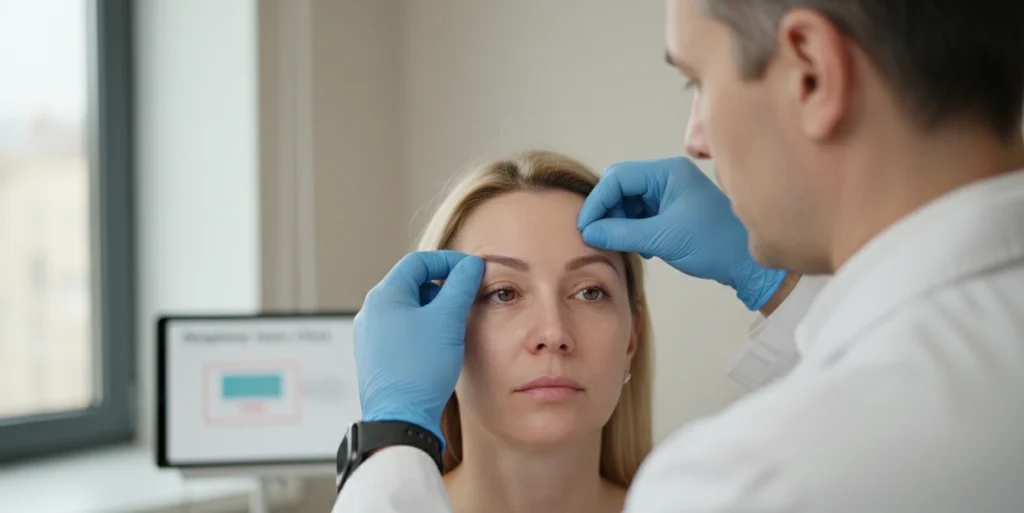
During your consultation, the surgeon checks whether your drooping is mainly dermatochalasis (excess skin), true ptosis, brow position changes, or under-eye contour concerns. Dr. John Shamoun MD FACS also evaluates eyelid symmetry, lid structure, and how your eyelids sit at rest. This is where your “before and after” expectations become realistic, what surgery can improve, what may improve partially, and whether a combined approach (like blepharoplasty + ptosis repair) would be better.
Anesthesia & Procedure Time
Eyelid surgery is commonly done as an outpatient procedure. Anesthesia is often local with sedation, but the safest option depends on your comfort and medical history. Procedure time varies based on whether you’re treating the upper lids, lower lids, or both, and whether ptosis repair is included. Your surgeon will explain a realistic timeline for your specific plan.
Incision Placement & Closure
For upper eyelids, incisions are typically placed along the natural eyelid crease to keep scars discreet once healed. For lower eyelids, incisions may be just under the lash line or sometimes inside the eyelid, depending on your anatomy and goals. The surgeon reshapes tissue to improve eyelid contour and then closes carefully to support smooth healing and natural-looking results.
Expected Before & After Results
Results should look like a refreshed version of you. The most satisfying outcomes come from realistic expectations and a plan designed around your anatomy.
Aesthetic Benefits
Many patients notice a more open upper lid area, improved symmetry, less hooding, and a more awake appearance. Under-eye improvements often include reduced puffiness and a smoother contour. The best “before and after” results don’t look dramatic—they look natural and balanced.
Functional Benefits
If excess upper eyelid skin was blocking part of your visual field, blepharoplasty can improve day-to-day function and comfort. Many patients also feel less need to lift their brows constantly, which can reduce forehead strain.
Long-Lasting Results
Blepharoplasty often provides long-term improvement. However, skin continues to age and lifestyle factors like sun exposure can affect how the eyelids change over time. Good skincare, sun protection, and healthy habits support longer-lasting results.
Realistic Limits
Eyelid surgery won’t erase every fine line or crow’s feet, and it doesn’t replace a brow lift if brow descent is the primary issue. It also won’t guarantee perfect symmetry, because facial features are naturally slightly uneven. And while some people see improvement in under-eye shadows, true dark circles related to pigment or thin skin may not fully resolve with surgery alone.
Recovery Stages & Timeline
Recovery happens in phases. Knowing what’s normal helps you plan work, social time, and exercise with less stress, and set realistic expectations for swelling and bruising.
Days 1–2: Swelling & Early Care
Swelling and bruising are usually most noticeable at the start. You may feel tightness, mild soreness, watery eyes, or temporary dryness. Rest, head elevation, and cold compresses (as advised) can help. Gentle incision care is important during this stage to support clean healing.
Week 1: Healing & Return to Light Routine
Week one is often the most “visible” part of recovery. Many patients return to light work depending on comfort and bruising. If stitches are used, your surgeon will guide timing for removal or checkups. Swelling usually starts to settle more clearly toward the end of this week.
Week 2: Social Recovery & Makeup
By week two, bruising often fades significantly and many patients feel more confident in public. Makeup may be allowed if healing is progressing well, but timing depends on your surgeon’s instructions. Day-to-day appearance and photos typically look much better in this phase.
Weeks 3–6: Activity, Follow-Ups & Settling
During weeks 3–6, scars soften and swelling continues to reduce. Many patients gradually return to exercise after medical clearance. Follow-up visits help confirm symmetry, monitor healing, and catch small concerns early before they become bigger issues.
Blepharoplasty Candidacy
A good candidate is someone whose concerns match what eyelid surgery can realistically improve, and who can follow recovery guidelines for safe, smooth healing.
Good Candidate Signs
You may be a strong candidate if you have hooded eyelids from dermatochalasis (excess skin), a heavy-lid feeling, noticeable eyelid asymmetry, or under-eye bags that don’t improve with rest. Many patients also choose treatment because they look tired in photos even when they feel fine. If you think drooping is affecting peripheral vision, mention it during your consultation so it can be properly evaluated.
When to Avoid or Delay Surgery
You may need to delay surgery if you have uncontrolled medical conditions, an active infection, or significant eye-surface concerns such as severe dryness. It’s also wise to wait if you can’t take adequate downtime or follow aftercare instructions. Prioritizing safety and healthy healing always leads to better long-term results.
Key Benefits of Eyelid Surgery
When done for the right reasons, eyelid surgery can improve both appearance and daily comfort, without looking overdone.
1) Clearer Vision Support: In functional cases, removing excess upper lid skin may improve the visual field and daily comfort.
2) A More Rested Expression: Droopy or heavy lids can unintentionally make you look tired, stressed, or even upset. Improving eyelid contour often helps your face look more relaxed and approachable while keeping your natural eye shape.
3) Smoother Eye-Area Appearance: While blepharoplasty isn’t a full wrinkle treatment, reducing heaviness and refining the eyelid crease area can make the upper eye region look smoother. Fine lines may still need skincare or resurfacing for maximum improvement, but lid contour often looks cleaner.
4) Reduced Under-Eye Puffiness: Lower blepharoplasty can reduce under-eye bags and create a smoother lid-to-cheek transition. Many patients notice they look fresher and less fatigued, even without makeup, because puffiness is less prominent.
Better Healing and Long-Term Results
The final outcome isn’t only about the procedure, it’s also about preparation, aftercare, and smart long-term habits.
Pre-Op Preparation
Nicotine can slow healing and affect scar quality, so stopping smoking is strongly recommended. Review medications and supplements with your surgeon, since some can increase bleeding or bruising risk. Plan recovery time, set up pillows for head elevation, and arrange transportation. Good preparation reduces stress and supports smoother healing.
Aftercare and Sun Protection
Follow incision care instructions exactly and avoid rubbing your eyes while healing. Use sun protection because UV exposure can darken scars and affect skin quality. Attend follow-up visits so your surgeon can monitor healing, swelling, and symmetry, and address small issues early.
Warning Signs
Reach out immediately if you have severe pain that worsens, sudden vision changes, heavy bleeding, fever, or rapidly increasing swelling on one side. Some bruising and swelling are normal, but warning signs should never be ignored.
Non-Surgical Options for Droopy Eyes
If your changes are mild, non-surgical treatments can sometimes help. However, they cannot remove significant excess eyelid skin or fully correct true ptosis.
Dermal Fillers for Under-Eye Hollows
Dermal fillers can help when the “tired” look comes from under-eye hollowness (tear trough shadows), not from actual eyelid drooping. They won’t fix hooded eyelids or dermatochalasis, but in the right candidate they can soften shadows and create a smoother under-eye transition. A conservative approach matters, because too much filler can increase puffiness.
Laser and Skin Tightening Treatments
Laser resurfacing and skin-tightening treatments may improve mild laxity and skin texture, especially in early cases. These options are best for skin-quality goals rather than structural correction. If the main problem is significant hooding or ptosis, surgery is usually the more effective and predictable solution.
Schedule a Consultation
If you are exploring eyelid surgery in Newport Beach CA, schedule a consultation to get clear answers for your anatomy and goals. Your provider can confirm whether the main issue is dermatochalasis (excess eyelid skin), true ptosis involving the levator muscle, under-eye contour changes, or a combination. You’ll also leave with a realistic idea of your “before and after” results and a recovery timeline that fits your lifestyle.
Conclusion
Droopy eyelids can affect appearance, comfort, and sometimes vision, but the right plan can make a real difference. When diagnosis is accurate (excess skin vs ptosis), surgery can restore a more open, refreshed look. For many patients, eyelid surgery improve droopy eyes when it’s tailored to your anatomy, so a professional evaluation is the best next step. You can also read real patient experiences with eyelid surgery.