

Patient Info
Age:
40-49
Ethnicity:
White
Height:
5’ 0” - 5’ 5”
Weight
100 - 149 lbs
Ready to see what's possible for you?
Schedule your personal consultation with Dr. Shamoun today and take the first step toward looking as vibrant as you feel.
Book An Appointment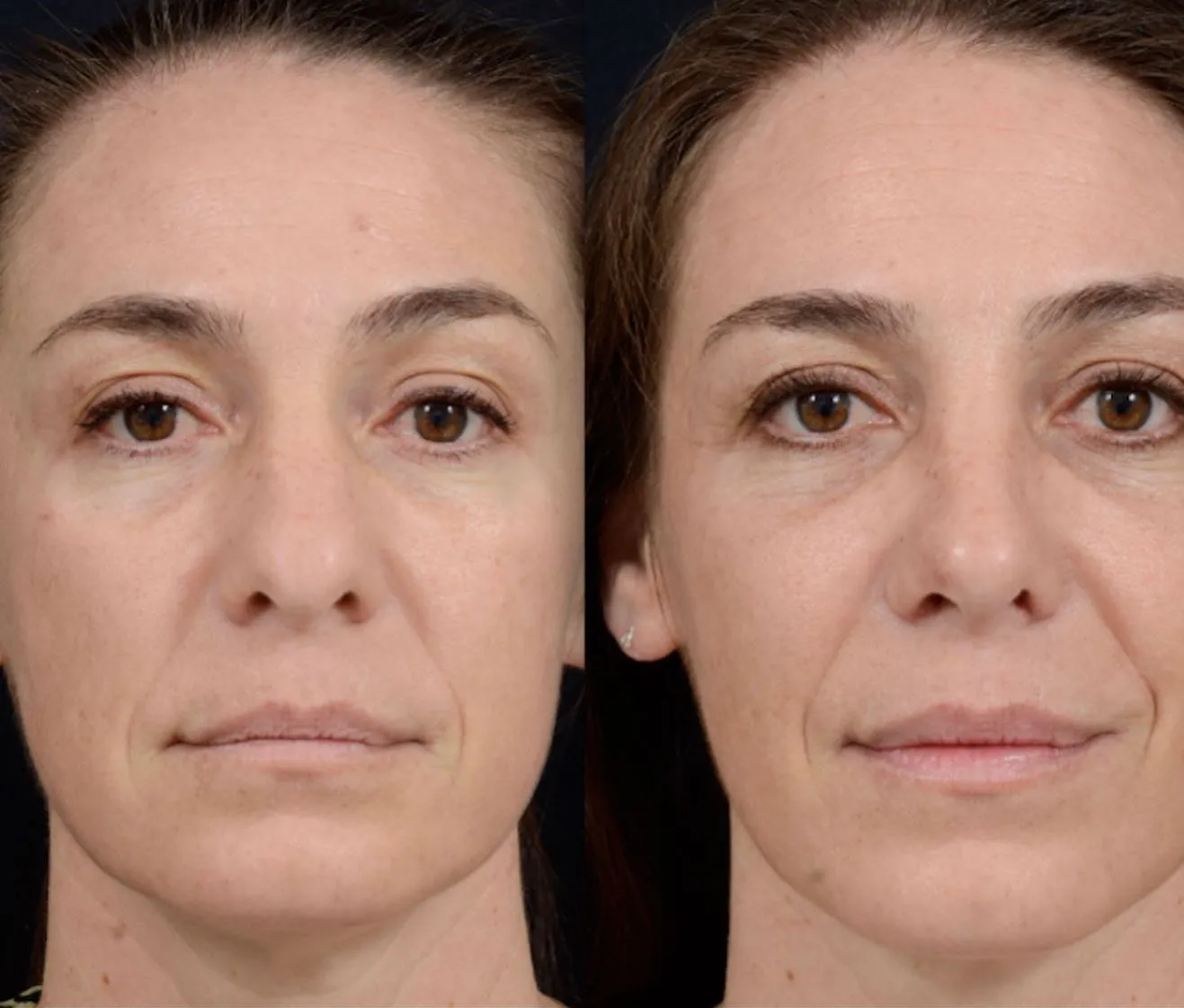
Front View
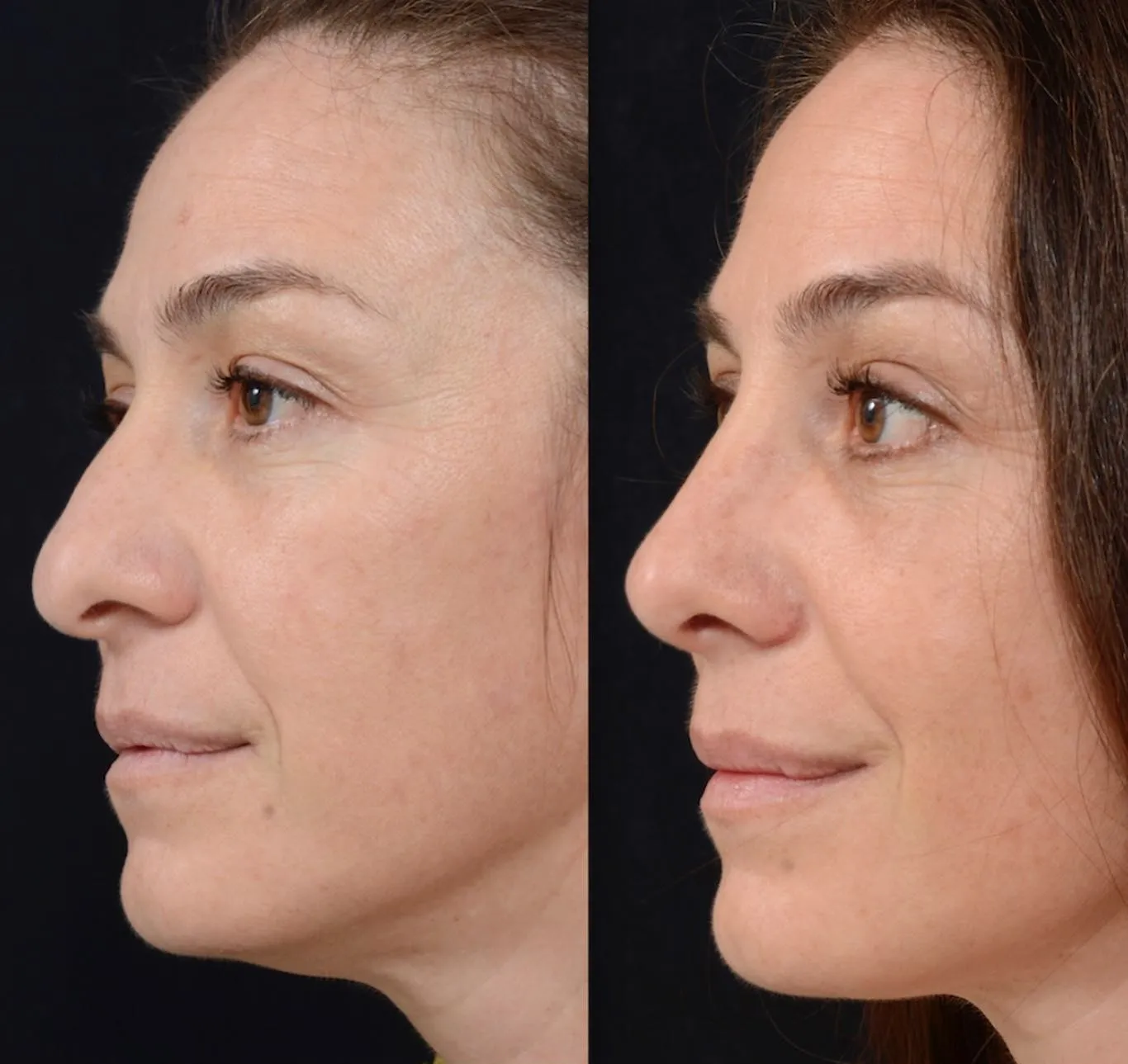
Side View
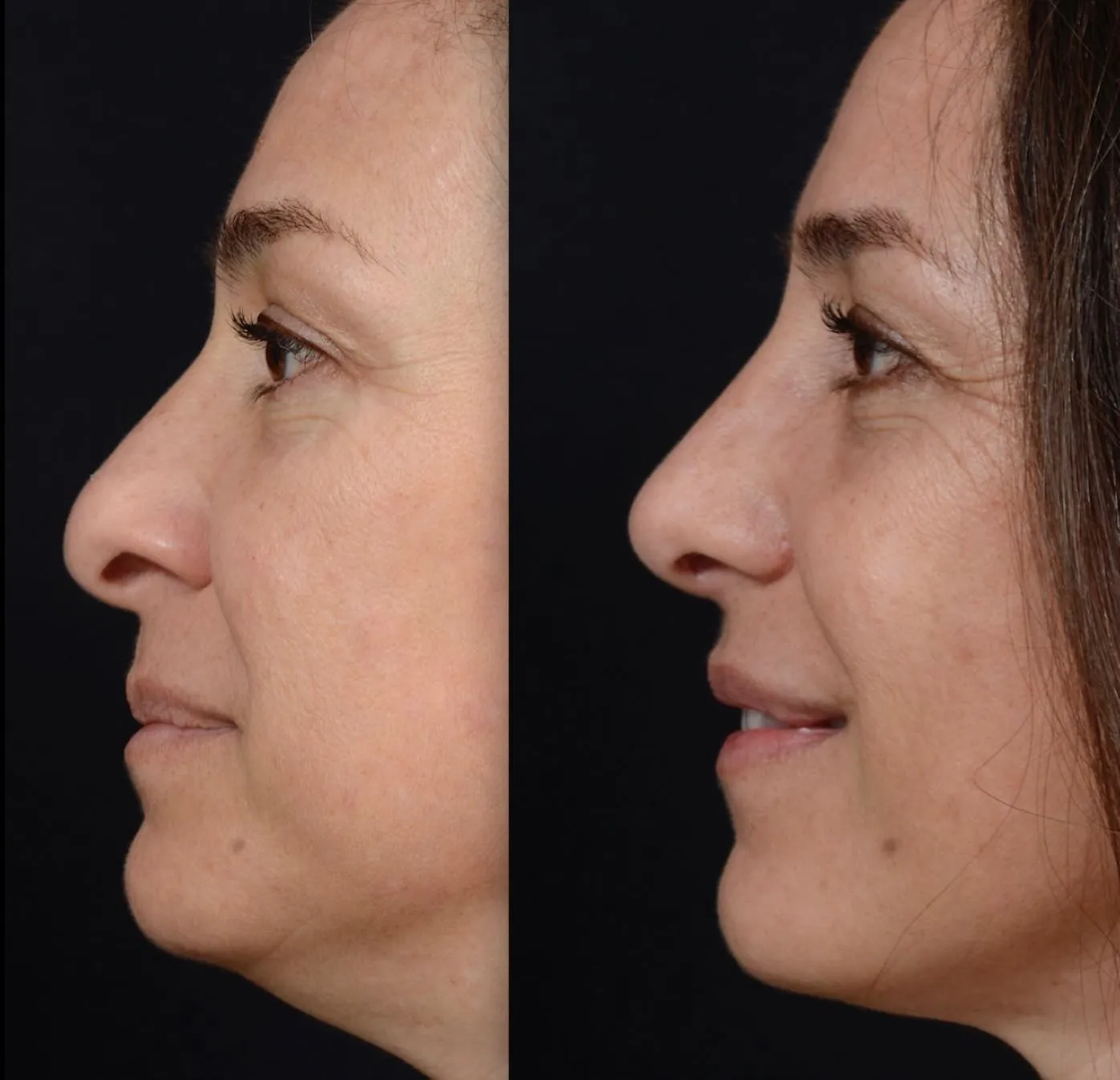
Profile View
Minimal Rhinoplasty
My Approach
This beautiful woman presented with a very thick soft tissue envelope and desired improvement without looking surgically altered. With thicker skin, finesse and restraint are even more important. Large or aggressive maneuvers rarely translate well and often create long-term distortion. Subtle structural refinement is the key. A closed, preservation rhinoplasty technique was performed to maintain as much of her native anatomy as possible while correcting the true sources of imbalance. The plunging tip, alar–columellar disproportion, wide bony bridge, wide nostrils, and dorsal hump were carefully addressed through precise, conservative modifications rather than destructive reduction. By preserving ligamentous support and minimizing disruption of the nasal framework, we maintain stability, reduce swelling, and allow the nose to age naturally with the rest of the face. Nothing should look “operated.” The nose should simply fit. At only two weeks, we already see meaningful improvement in the center of her face. The profile is smoother, the bridge narrower, and the tip better supported and refined. These early results will continue to soften and improve as swelling resolves. True rhinoplasty is not about dramatic change. It is about making the smallest, most thoughtful adjustments that create the greatest harmony.

Dr. John Shamoun
MD FACS
The Healing Process
Because preservation and closed techniques limit tissue trauma, recovery is typically quicker and more comfortable than traditional aggressive approaches. Most patients experience mild swelling and minimal bruising during the first week. By one to two weeks, many feel comfortable returning to work and social activities. Early swelling—especially in thicker skin—can temporarily obscure definition, particularly at the tip. This is normal. Noticeable refinement continues over several months, with tip definition improving gradually. While patients look good early, final results typically evolve over six to twelve months as the nose settles naturally in its place. Careful handling of tissues and preservation of structure are what allow for this smoother healing process.
FAQs
All incisions are placed inside the nostrils, leaving no visible external scars. This often results in less swelling, less bruising, and a faster recovery compared to open techniques in appropriate candidates.
Most patients return to work or school within 7–10 days. Bruising is usually minimal, and swelling improves steadily over the first few weeks, with continued refinement over several months.
Absolutely. The goal is harmony, not transformation. The best rhinoplasty should never draw attention—it should simply look natural and balanced with your other features.
Not always. Many cases can be completed without fracturing the bones. When needed, adjustments are conservative and very controlled.
Yes. Thick skin benefits from conservative structural refinement. Aggressive reduction often does not show through thick skin and can lead to long-term irregularities or collapse. Subtle support and shaping work best.
Candidates typically have moderate humps, tip concerns, or width issues that can be corrected without extensive reconstruction. A detailed consultation and facial analysis determine the safest and most effective approach for your anatomy.